
Table of Contents
ToggleSioux Falls has quietly become one of the Midwest’s hottest destinations for serious gamers and casual players alike. Galaxy Gaming, nestled in South Dakota’s largest city, isn’t just another internet cafe, it’s a full-featured gaming hub designed for everyone from competitive esports athletes grinding ranked matches to friends looking for a weekend hangout. Whether you’re chasing high-end PC performance, next-gen console gaming, or cutting-edge VR experiences, Galaxy Gaming Sioux Falls delivers the hardware, community, and atmosphere that make it stand out. This guide covers everything you need to know about what makes this venue essential for Midwest gamers in 2026.
Key Takeaways
- Galaxy Gaming Sioux Falls is a premium gaming hub offering high-end PCs, next-gen consoles, and VR experiences, eliminating barriers to quality gaming without the need for expensive personal equipment.
- The facility maintains tournament-grade hardware with regular upgrades to competitive specs like RTX 40-series GPUs and 144Hz+ monitors, ensuring top-tier performance for competitive and casual play.
- Galaxy Gaming fosters a strong community through weekly tournaments, Discord engagement, social events, and LAN parties that transform the venue from a solo gaming spot into a social hub where friendships form.
- Membership options range from $60-150+ monthly depending on tier, providing serious gamers with sub-$5/hour access to premium equipment, making it cost-effective for those who can’t invest in personal rigs.
- Peak hours occur Friday-Saturday evenings, while weekday afternoons offer quieter sessions; visiting during tournaments or new releases maximizes experience and community interaction.
- The venue’s multi-platform approach (PC, console, VR) and amenities like cafes, ergonomic seating, and clean facilities differentiate it from regional competitors and create an accessible environment for all gaming skill levels.
What Is Galaxy Gaming Sioux Falls?
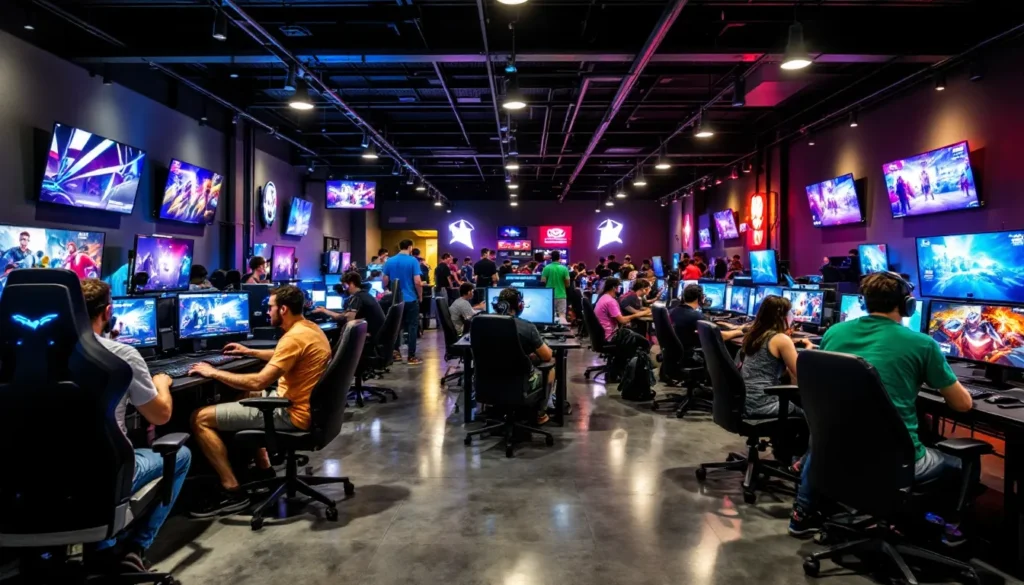
Galaxy Gaming Sioux Falls is a premium gaming facility that combines high-end gaming PCs, modern console setups, and immersive VR technology under one roof. Think of it as a professional gaming lounge where players can access top-tier equipment without the upfront investment of building a personal setup. The venue caters to multiple skill levels and interests: esports competitors preparing for tournaments, casual gamers exploring the latest releases, and social groups looking for a gaming-focused hangout spot.
The facility opened with a clear mission, eliminate barriers to quality gaming experiences. Not everyone can drop $2,000+ on a gaming PC or has the space for a dedicated setup. Galaxy Gaming levels the playing field by offering tournament-grade equipment at hourly or membership rates. Beyond the hardware, the venue functions as a community hub where local gamers connect, compete, and collaborate. It’s the kind of place where you’ll find serious Rainbow Six Siege players practicing team coordination at peak hours, speedrunners testing strategies on console setups, and groups of friends getting their first taste of competitive gaming.
Location And Accessibility
Galaxy Gaming Sioux Falls is centrally located, making it accessible for gamers across the region. The venue sits in a high-traffic area with ample parking, a critical detail since you’ll likely be visiting regularly once you experience what they offer. Public transportation options are available, and the facility is positioned near other local attractions, so it’s easy to plan a gaming session around other activities.
The address and hours are straightforward: the venue operates extended hours to accommodate both weeknight grinders and weekend warriors. Typical operating hours run from late morning through late evening, with extended weekend hours during major tournament seasons or community events. Accessibility features include level entry, accessible restrooms, and seating options for players with different mobility needs. The parking lot is well-lit and secure, important for gamers staying into evening hours. If you’re traveling to Sioux Falls specifically for Galaxy Gaming, the venue is roughly a 10-minute drive from major hotels and dining options downtown, making it convenient to bundle a gaming trip with other South Dakota activities.
Gaming Setup And Technology
The hardware at Galaxy Gaming Sioux Falls is where the facility truly separates itself from basic internet cafes. Every station is maintained to tournament standards, with regular updates ensuring you’re working with current-generation equipment. The facility invests significantly in keeping specs competitive, because outdated hardware kills the gaming experience fast.
PC Gaming Stations
PC gaming stations represent the core of the facility. Each machine is built for performance, not budget corners. Expect high-end gaming rigs with current-generation GPUs (RTX 40-series capable), modern CPUs, and high-refresh monitors, typically 144Hz or higher depending on the station tier. Monitors are calibrated for competitive play, with low input lag and color accuracy suitable for FPS titles and fast-paced competitive games.
Station configurations vary by tier. Standard stations handle modern AAA titles at high settings and 144+ fps, which is the baseline for competitive play. Premium stations push further with flagship GPUs capable of 240+ fps on demanding titles or high visual fidelity on less-demanding games. Peripherals matter too: mechanical keyboards and gaming mice are standard issue, with options to use your own equipment if preferred. Headsets with noise cancellation are available, which matters when you’re in a room with 20+ other gamers grinding ranked matches.
Console Gaming Areas
Beyond PC, the facility maintains dedicated console gaming zones. PlayStation 5 and Xbox Series X consoles are the current focus, available on 4K-capable displays with gaming-grade refresh rates. Console gamers get the same attention to setup as PC players, this isn’t an afterthought area. Station configurations support both competitive fighting games and story-driven titles, since the console crowd has diverse interests.
Console sessions work well for groups. The social nature of console gaming, fighting games, sports titles, party games, makes these stations perfect for friends splitting time and taking turns. The displays are large enough to accommodate spectators comfortably, which happens frequently during fighting game tournaments or when friends are running co-op campaigns.
VR And Immersive Experiences
VR stations represent the facility’s immersive edge. High-end headsets like the Meta Quest Pro or PlayStation VR (with PS5 backend support) offer experiences impossible on traditional setups. VR gaming sees rotating inventory of titles, from fast-paced shooters to puzzle games and rhythm experiences. The VR area is separated from main gaming floors to ensure adequate space and safety, VR players need clearance for full-body tracking and movement.
VR sessions typically run on dedicated time slots since setup and safety briefings take extra time. First-time VR players should budget 20-30 minutes before actual gameplay while staff run orientation. Competitive VR esports is still niche, but Galaxy Gaming maintains VR setups for players interested in competitive VR communities. Beat Saber tournaments and VR rhythm game competitions draw dedicated players from across the region.
Gaming Library And Available Titles
The title library at Galaxy Gaming Sioux Falls covers competitive mainstays, indie darlings, and AAA releases. The facility doesn’t restrict access to specific games, you get the full Steam, Epic, console digital storefronts, and installed titles depending on the station type.
Popular Competitive Titles
Competitive games dominate peak hours. Counter-Strike 2, Valorant, Rainbow Six Siege, and League of Legends pull consistent crowds, especially during ranked seasons. Fighting game enthusiasts find stations loaded with Street Fighter 6, Tekken 8, and other modern fighters, the arcade-style setups make fighting games feel authentic compared to home play on a single controller.
First-person shooters see high traffic. The PC stations handle Overwatch 2, CS2, and Apex Legends at competitive framerates, while console players gravitate toward Call of Duty variants and Destiny 2. The facility’s low-latency network ensures minimal ping, critical for competitive FPS play where 10ms input lag is noticeable at high levels.
Moba players have homes for League of Legends and Dota 2 tournaments. A gaming news publication like Game Rant regularly covers esports tournament schedules, and Galaxy Gaming frequently hosts qualifying matches and community competitions for these titles.
Casual And Indie Games
Not every session is about ranked climbing. The facility supports casual gaming with access to indie titles, story-driven games, and co-op experiences. Hades, Stardew Valley, It Takes Two, and other indie favorites are available across multiple station types. The beauty of a gaming hub is flexibility, you can run a cozy game on powerful hardware, or tackle a demanding AAA title on station clusters.
Console stations cater well to story gaming. Baldur’s Gate 3, FF VII Rebirth (PS5 exclusive), and other narrative-focused titles benefit from the larger displays and controller setups. Groups often rent console stations for story co-op experiences where turn-based gameplay and split-screen options shine. Party games like Mario Party or Jackbox rounds rotate through stations, especially during evening hours when groups dominate.
Events, Tournaments, And Community
What separates Galaxy Gaming from gaming at home is the community aspect. The venue actively hosts events that bring local gamers together, build competitive scenes, and create memorable moments.
Regular Esports Competitions
Weekly and monthly tournaments are scheduled across multiple games. Fighting game nights run regularly, typically on Friday evenings, where players compete in bracket tournaments with small prize pools or entry fee splits. These events attract casual and serious competitors alike, fighting games have that beautiful property where skill gaps create naturally stratified brackets.
FPS tournaments rotate through Valorant, CS2, and Overwatch 2. Teams qualify through online brackets or in-house qualifiers, with finals played at Galaxy Gaming using the facility’s competitive setup. These events generate hype, watching professional-level gunplay on massive displays with crowd energy is entirely different from solo ranked grinding.
League of Legends amateur tournaments draw 5v5 teams. The facility provides spectator areas where teams’ friends and fans watch matches on secondary displays. This creates atmosphere, it’s not a player practicing: it’s an event with stakes, even if prize pools are modest.
Tournament brackets are published in advance, typically through Discord channels and social media. Entry fees are minimal, usually $5-15 per person or team, with prize pools distributed among top placements. The goal is community engagement over profit, Galaxy Gaming uses tournaments as anchors to build consistent attendance.
Community Building And Social Events
Beyond competitive tournaments, social events keep the community thriving. Monthly meetups for specific game communities (Valorant mains, fighting game players, indie game enthusiasts) happen regularly. These aren’t formal competitions, they’re hangouts where players discuss meta shifts, share strategies, and form friendships.
Lan parties happen quarterly, where large groups reserve stations for all-day gaming marathons. These are fun, chaotic events with games like Garry’s Mod, Counter-Strike, and Team Fortress 2 running throughout the day. LAN parties attract mixed-skill groups looking for social gaming rather than ranked climbing.
New game launch events coincide with major releases. When a highly anticipated title drops, Galaxy Gaming hosts launch day tournaments or casual play sessions. Developers and publishers sometimes sponsor these events with prize support, making launch celebrations more exciting.
The Discord community is where the real magic happens. Players organize scrimmages, share tournament results, post clips from epic moments, and coordinate team practices. The Discord is moderated but casual, it feels like hanging out with gaming friends, not a corporate communication channel. This organic community is what keeps players coming back.
Pricing, Memberships, And Value
Galaxy Gaming’s pricing structure is straightforward, designed to serve both casual drop-in players and committed regulars.
Hourly Rates And Session Packages
Hourly rates typically run $12-18 per hour depending on station tier. Standard PC stations sit at the lower end, while premium stations with higher-end GPUs command higher rates. Console stations usually cost $15 per hour for a two-person setup, making them cost-effective for groups.
Session packages offer discounts for committed play. A 10-hour pass might cost $110 instead of $180 at hourly rates, roughly a 40% discount. 20-hour passes push the discount further. These packages never expire, so casual players can stockpile hours across months.
VR sessions cost more, $20-25 per 30-minute session, reflecting the specialized equipment and setup time required. If you’re into VR, committing to a VR membership makes sense.
Membership Tiers And Benefits
Monthly memberships unlock serious value for regular players. A basic monthly membership ($60-80) provides unlimited access to standard PC stations during off-peak hours (typically weekday afternoons). This targets the after-work grinder crowd, if you’re playing 3+ hours on weeknights, a membership pays for itself fast.
Premium memberships ($100-120/month) unlock unlimited access to all PC and console stations at any time. No peak hour restrictions, priority booking for tournaments, and exclusive member-only events. This tier targets serious competitors and content creators who stream or record regularly from the facility.
Elite memberships ($150+/month) add VR access, reserved station reservations, guest passes, and priority support. For someone gaming 20+ hours monthly, an elite membership is the most cost-effective option.
Memberships often run promotions. Sign-up bonuses, seasonal discounts, and referral rewards make entry more appealing. New players frequently get trial memberships at reduced rates, letting them experience the facility before committing.
Value-wise, Galaxy Gaming’s pricing is competitive with similar facilities across the Midwest. The equation is simple: if you can’t justify a $2,000+ personal gaming PC, but you want to game seriously, memberships provide sub-$5/hour access to tournament-grade equipment. For casual play, hourly rates with occasional session packages work fine.
Food, Beverages, And Amenities
Gaming sessions often run long. The facility understands that sustaining energy matters, so on-site food and beverage options are essential infrastructure, not afterthoughts.
On-Site Refreshments And Dining
A cafe serves basic food, think quality above vending machine standards but not sit-down restaurant complexity. Pizza slices, sandwiches, salads, and pasta options keep players fueled. Items run $8-15, reasonable for venue pricing. Hot beverages include coffee, tea, and hot chocolate. The coffee isn’t gourmet, but it’s sufficient for the 3am grind.
Snack options span the spectrum: energy bars, chips, nuts, and candy. Drinks include soda, energy drinks, juice, and water (free). The beverage station is open-access, unlimited water refills keep players hydrated, which matters during long sessions.
Alcohol isn’t served, Galaxy Gaming maintains an environment welcoming to all ages. You’ll see everyone from high school students to working adults: keeping it alcohol-free keeps the vibe accessible and focused on gaming.
Food quality matters because bad cafeteria food ruins immersion. Galaxy Gaming sources reasonable ingredients and doesn’t skimp on portions. Player satisfaction with the cafe is generally high, reflected in consistent repeat business.
Comfort Features And Lounging Areas
Gaming chairs are ergonomic, not gaming-branded racing chairs that sacrifice back support for aesthetics, but actual ergonomic designs supporting 6+ hour sessions. Lumbar support, adjustable armrests, and breathable padding matter when you’re sitting all day.
Lounging areas separate from gaming stations let players decompress between sessions. Couches, casual seating, and larger displays let people watch tournaments or socialize without actively playing. These spaces prevent lounge fatigue, you can take mental breaks without leaving the facility.
Climate control keeps the facility cool. Dense PC setups generate significant heat: poor cooling creates discomfort. Galaxy Gaming maintains proper HVAC ensuring temperatures stay comfortable even during packed Saturday afternoons.
Restroooms are clean and regularly maintained. This seems basic, but it’s a differentiator when comparing gaming venues. Regular cleaning schedules and supply restocking show respect for players spending extended time there.
Wifi throughout the facility provides backup connectivity, though serious gamers use wired connections for tournaments. The network architecture supports high player density without congestion, bandwidth isolation prevents one person’s video streaming from affecting network-dependent games.
Locker storage lets players secure belongings. Small cubbies or lockers cost a couple dollars per session and prevent theft concerns that plague some venues. Lockers with charging stations let players top up phone and peripheral batteries between sessions.
How Galaxy Gaming Compares To Other Gaming Cafes
The Midwest gaming cafe scene has expanded. Comparing Galaxy Gaming to other regional venues shows clear differentiation.
Most regional competitors operate on a single-focus model, either PC-only cafes or console lounges. Galaxy Gaming’s multi-platform approach is increasingly rare. You get PC, console, and VR under one roof, letting groups with mixed interests all attend together. A PC-focused gamer and console-focused friend can both find excellent setups without compromising.
Hardware refresh cycles are where quality venues separate from budget operators. Galaxy Gaming maintains aggressive upgrade schedules, when new GPU generations release, premium stations get updated within months, not years. Competitors often lag 1-2 generation updates behind, which shows in performance.
Community programming is another differentiator. Many cafes are passive, you pay, you game, you leave. Galaxy Gaming actively organizes tournaments, social events, and community building. This active engagement creates loyalty beyond simply having equipment available. Game Informer’s coverage of gaming culture frequently highlights how venue community influences player retention, and Galaxy Gaming invests accordingly.
Price positioning sits mid-market. Budget cafes undercut on hourly rates but skimp on equipment and amenities. Premium venues (rare in the Midwest) charge $25+ hourly for marginal hardware advantages. Galaxy Gaming lands in a value sweet spot, fair pricing for legitimately competitive equipment.
Staff expertise matters. Knowledgeable staff who understand gaming culture and can troubleshoot technical issues rapidly improve experience. Galaxy Gaming hires staff with gaming backgrounds, avoiding the “helpful but clueless” dynamic some cafes suffer from.
Aesthetics and atmosphere round out the comparison. Some competitors feel dingy or corporate. Galaxy Gaming maintains a modern aesthetic, clean, well-lit, with branding that reflects gaming culture rather than generic internet cafe vibes. This might seem superficial, but atmosphere influences whether you want to hang out there regularly.
Tips For Getting The Most Out Of Your Visit
Maximizing your Galaxy Gaming experience requires some strategy, especially if you’re visiting for the first time.
Best Times To Visit
Timing your visit depends on your goals. Want competitive play with minimal wait for stations? Weekday afternoons (2-6pm) are quieter, perfect for focused grinding or trying new games without crowding. Peak hours hit Friday-Saturday evenings (6-11pm) and Sunday afternoons, high energy but stations fill up quickly.
Tournament days attract crowds but provide spectator value. Even if you’re not competing, watching tournament finals is exciting and you’ll learn strategies by watching skilled players. Check the facility’s event calendar and plan tournaments into your visit schedule.
New release days (usually Fridays) see spikes around launch titles. If you want to try a new AAA game on top-tier hardware immediately, visit Friday evening when demand is high. If you want peace and quiet to explore, come Tuesday afternoon.
Avoiding school breaks and holidays prevents tourist-level crowding. Conversely, if you’re looking for social gaming and community atmosphere, tournament nights and major event days maximize people interaction.
Recommended Games To Try
First-timers should try games that showcase hardware differences from home setups. High-framerate FPS titles like Valorant or Counter-Strike 2 at 240+ fps feel dramatically smoother than home machines running 120 fps. The difference is immediately noticeable, your aim improves just from the visual clarity.
Fighting games benefit massively from arcade-quality setups. If you’ve only played fighting games on a regular controller, spending a session on a proper arcade stick or hitbox changes everything. Trial runs at Galaxy Gaming let you figure out if you enjoy fighting games before buying expensive controllers.
VR experiences are the biggest hardware showcase. Even if VR doesn’t become your main gaming mode, first VR session at a proper facility beats phone VR by orders of magnitude. Games like Half-Life: Alyx or Beat Saber demonstrate why VR matters.
For groups, co-op experiences shine on console stations. It Takes Two, A Way Out, or Overcooked are social gaming that feels different in a group environment versus solo play at home. The facility provides the hardware: bringing friends provides the chemistry.
Indie game exploration is underrated. Many players avoid indie titles on modest home hardware. Galaxy Gaming’s powerful stations let you experience graphically demanding indies like Cyberpunk 2077 (post-patches), Baldur’s Gate 3, or Star Wars Outlaws at intended visual fidelity. Sometimes the limiting factor for enjoying a game is hardware, not taste.
Networking And Meeting Fellow Gamers
Galaxy Gaming’s greatest asset beyond equipment is the community. Actively engaging with the community transforms the experience from solo gaming to social gaming.
Start by joining the Discord. This is where event announcements, team recruitment, and casual discussion happen. Post your main games, skill level, and what you’re looking for (competitive teammates, casual friends, specific game groups). The community is welcoming to newcomers who engage authentically.
Attend a community event or tournament even if you’re not competing. Showing up as a spectator and chatting with players between matches builds familiarity. Regular faces recognize each other quickly in gaming communities, consistency matters more than raw skill for building friendships.
Find your specific community within the broader hub. Fighting game nights attract specific players. Valorant grinders congregate during ranked seasons. Indie game enthusiasts gather during specific hours. Identify your gaming niche and show up to those sessions repeatedly. Consistency builds recognition and friendship naturally.
Be open to teaming up. Many players arrive looking for teammates, especially for games requiring 5v5 coordination. Offering to play casually or compete together can launch real gaming friendships. Some of the strongest gaming communities form from people bonding over grinding ranked together.
Contribute to the community culture. Share clips from epic moments, congratulate others on tournament wins, and help newer players without being condescending. Communities thrive when members actively build them up, not just consume them. A publication like NME covering gaming culture often highlights how community investment determines venue success.
Conclusion
Galaxy Gaming Sioux Falls represents the modern gaming venue done right, serious hardware, genuine community, and fair pricing accessible to gaming enthusiasts at all levels. Whether you’re a competitive esports player, casual gamer, or someone exploring gaming for the first time, the facility offers something valuable. The combination of tournament-grade equipment, diverse platform support (PC, console, VR), organized community events, and reasonable membership options creates genuine value beyond simply renting gaming stations.
The Midwest gaming landscape is evolving. Venues that survive and thrive aren’t just providing equipment, they’re building communities. Galaxy Gaming’s investment in events, Discord engagement, and community programming positions it as a genuine hub, not just a business. For Sioux Falls gamers seeking alternatives to solo home gaming, or traveling gamers looking for quality hardware during a visit, Galaxy Gaming delivers. Start with a trial membership to explore the facility, then commit to a tier matching your play frequency. The gaming community you’ll find there might end up being the venue’s greatest asset.